• Health Insurance Types

    HMO

    (Health Maintenance Organization) An HMO provides less freedom to choose a provider, but there’s less paperwork/no claim forms to fill out at the doctor’s office. Usually a primary care doctor must refer you to go to a specialist. The costs include a monthly premium, a deductible up to a certain amount, and copays at the doctor’s office.

    PPO

    (Preferred Provider Organization) A PPO gives you moderate freedom to choose a provider, and you don’t need a referral for a specialist. It comes with higher costs for you if you see an out-of-network doctor, and you’ll pay a premium, a deductible, a copay and an out-of-network doctor fee. There is usually no paperwork (or limited amounts) when you’re in-network, but more if you go out-of-network.

    EPO

    (Exclusive Provider Organization) An EPO provides moderate freedom to choose your doctor, and you don’t need a referral to see a specialist, but there is no coverage for out-of-network doctors. And EPO has a lower premium than a PPO. You’ll pay a premium, you may or may not have a deductible, a copay or coinsurance, and unfortunately you’ll pay the full cost of seeing an out-of-network doctor.

    POS

    (Point of Service Plan) A POS is a mix of an HMO and a PPO. You’ll have more freedom to choose a provider, and have moderate paperwork when going out-of-network. A primary care doctor manages your care and when you can see specialists. With a POS you’ll pay a premium, a deductible, and a copay (which will be higher when out-of-network). When out-of-network you pay a full bill and file claim paperwork to your insurer, and they’ll pay you back.

    Catastrophic plan

    A catastrophic plan is usually only for people under 30. It has lower premiums, but limited primary care visits before deductible applies. Preventative care is very cheap or free, and you can see any doctor in the plan’s network. However, a lower premium means you’ll have a much higher deductible.

    HDHP

    (High Deductible Health Plan) To get an HDHP you must first have an HMO, a PPO, an EPO, or a POS. It has higher out of pocket cost until you reach your deductible, and then insurance pays 100% of costs. You’ll pay a lower premium, and a high deductible. Whether or not there’s a copay and paperwork is based on which base plan you use.

    HSA

    (Health Savings Account) You must be enrolled in and HDHP to have an HSA. It’s similar to bank savings account, but the money is not taxed, and can be used to pay for medical expenses. You have to pay attention to what you personally spend, so you don’t have to pay more than the deductible.


  • Stop Turning Down Free Money

    The company match is often overlooked, but it is very important for getting the most out of your retirement fund, and your paycheck. The company match is when your employer offers to meet your contribution to your retirement fund. Some companies will match your entire investment, although it’s also common to match up to a certain point, such as 3% of your total paycheck.

    Although it can be tough to invest in your retirement fund, which seems so far away, it can’t be stressed enough how important this is. You should always be investing as much as you can, up to the company match level. This is basically like your company giving you the option of a raise. If your boss asked you tomorrow if you’d like a $100 bonus each month, you’d obviously says “Yes!” This is the same thing! Understandably, you may be skeptical because you can’t access the money until you retire, but you should never turn down free money.

  • Exercising on the Go

    When I studied abroad in college I was worried about not having easy access to a gym. I didn’t want to spend too much time on this while in Spain, but I also wanted to stay in shape. Running was obvious, but to add in some other exercises I used a resistance band every day. It was very lightweight and small, so I could easily pack it every time I travelled. I would do squats, loop it around my desk to do seated rows, or wrap it around my bed to do bench presses. Obviously it isn’t perfect, but it was very helpful for staying in shape while traveling.

  • So You Want A “Plus-One”

    So you just got invited to your old college friend’s wedding. You’re really excited until you open the invitation and see that it’s only for you. No “plus-one.” You just started dating a cutie from Tinder, and really want to show them off to your old friends. You figure your friend made a mistake. You want to call and ask, or just write in a “plus-one” for yourself on the RSVP.

    However, do not ask for a “plus-one” when it wasn’t given. Couples have to make a lot of cuts to their list which includes their own friends and family. They cared enough about you to invite you to the wedding, but they may not have the space or money to add anyone else. It’ll make things awkward whether or not they accept, and often one of you will feel like the other doesn’t care. Since you all care about each other, feel happy to have been invited at all, and don’t push it.

  • Robinhood Investing Explained

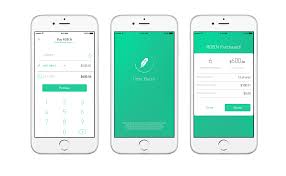
    Robinhood is an app that allows commission free stock trading right on your phone, and soon to be online too. Most brokerages charge you every time you buy and sell stocks, but Robinhood allows you to make trades for free. They don’t have a lot of the bells and whistles of traditional brokerages which allows them to provide free trading. There focus is on helping millennials learn more about investing. Since you’re actually making the trades yourself, Robinhood requires more knowledge about the stock market. Although the standard Robinhood account is free, they also have a paid option that’s $10 per month. The premium account gives you added lending and buying power, and extended trading hours.

    Pros

    It’s free and easy. You have more control.

    Cons

    This control means you have more responsibility, and assume more risk if you don’t know what you’re doing.